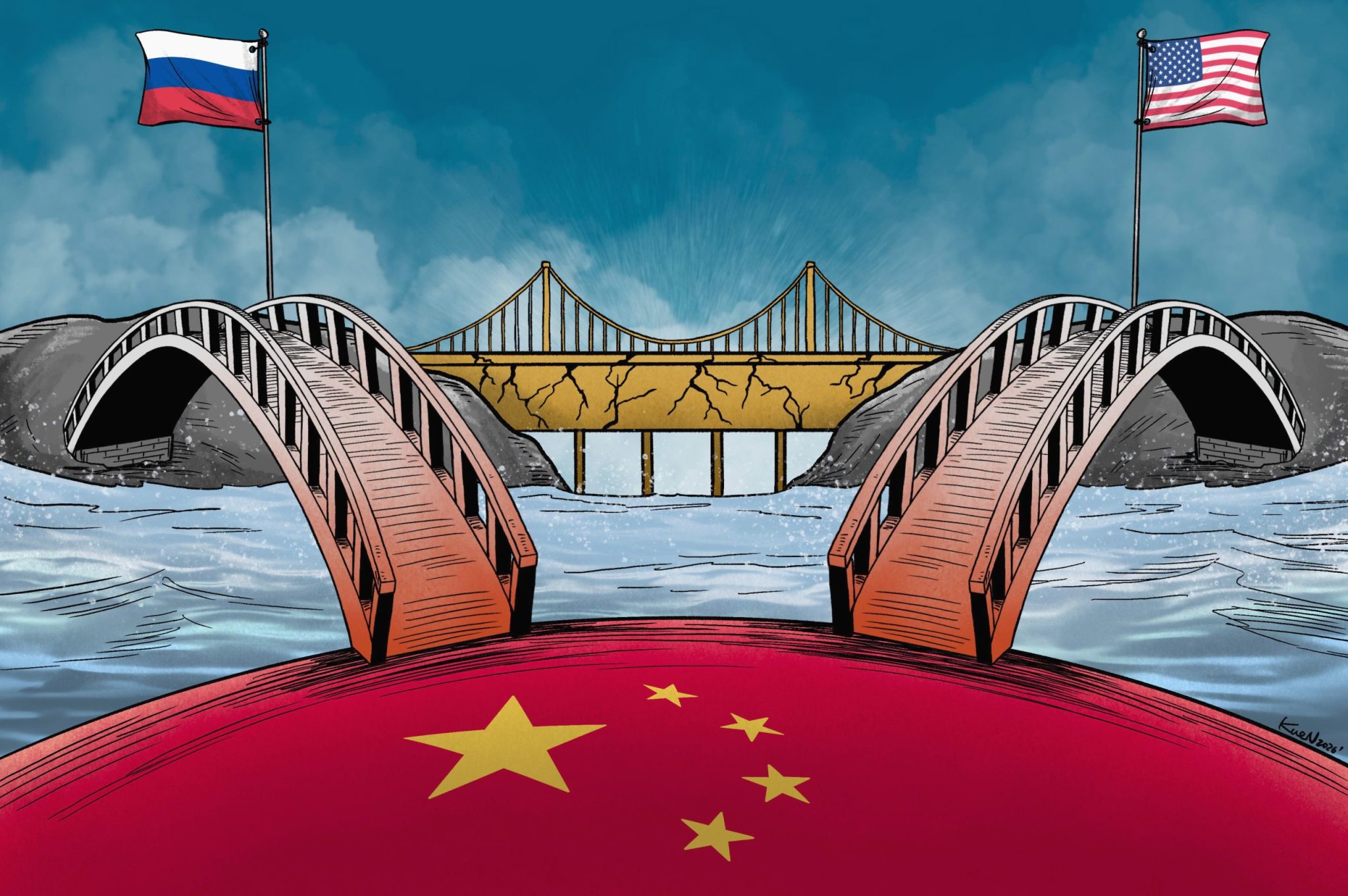





At last week’s summit in Beijing, the presidents of China and the United States pledged to steer towards a stable and constructive relationship. The two sides announced new joint trade and investment councils. This combination of high-level commitment and institutional progress has stirred hopes that long-running bilateral economic tensions will ease substantially, if not take a turn for the better.
But will the world’s largest economies live happily ever after? History offers a sobering parallel. At the conclusion of his November 2017 visit to China, US President Donald Trump described the trip as successful. With over US$250 billion in deals, his host agreed. Yet months later, Trump launched the trade war that continues to this day.
His record since last year’s summit in Busan, South Korea, is similarly revealing: talking the talk, but not walking the walk. Washington’s pattern has been clear: diplomatic niceties paired with unrelenting pressure. The script is familiar – promise stability while tightening the screws.
The US International Trade Commission has launched an investigation into revoking China’s Permanent Normal Trade Relations status. A US Treasury rule restricts American investment in artificial intelligence, quantum computing and semiconductors. The 2026 National Defence Authorisation Act bans Chinese AI models from US defence systems.
The Federal Communications Commission has adopted a new rule that will no longer recognise telecommunication test reports issued by laboratories in China. Just days before the latest Xi-Trump summit, nine more Chinese firms were blacklisted over Iran links.
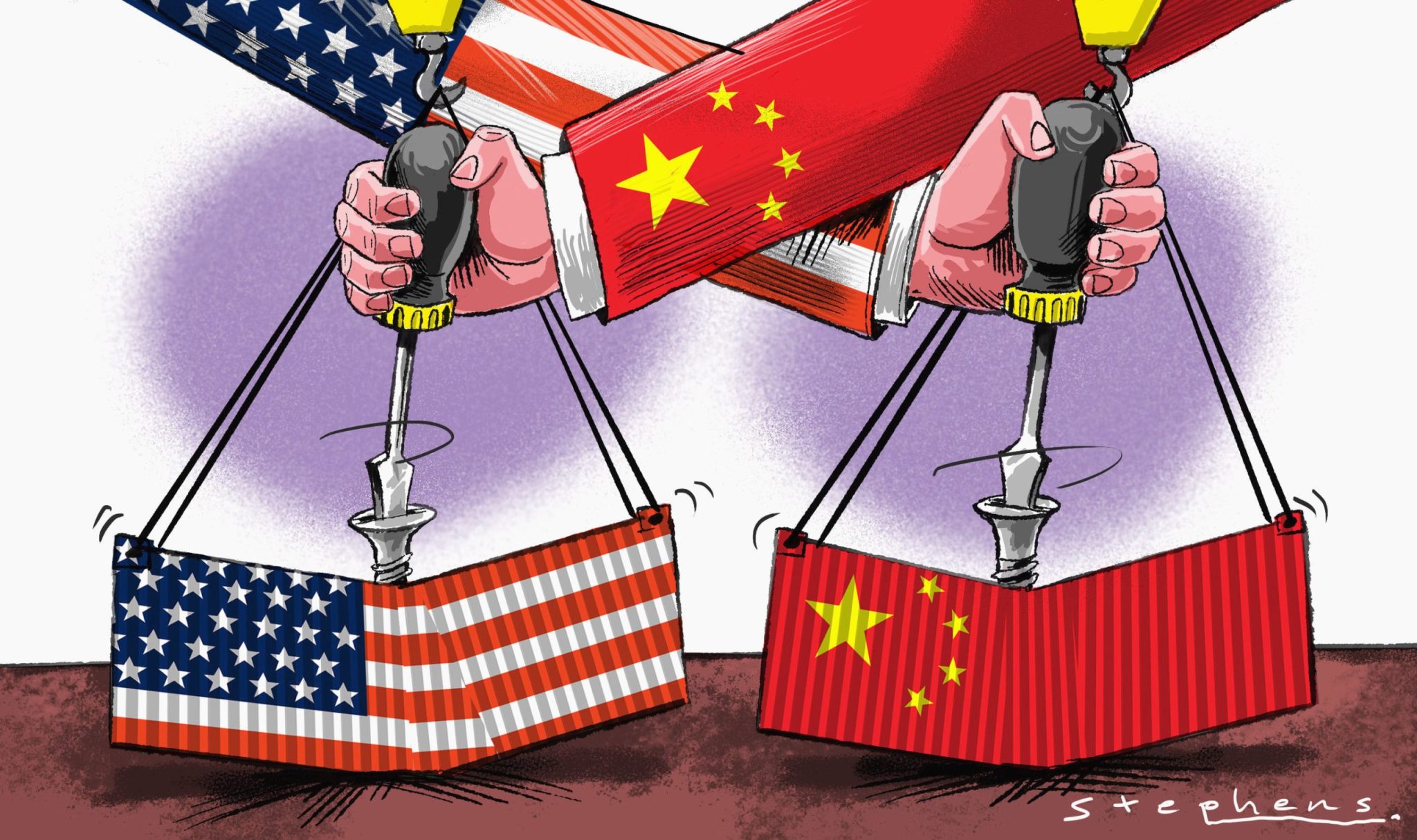
In essence, there has been no real trade truce, only a tariff truce.
If history is any guide, Trump’s latest manoeuvres appear less a genuine overture than a delay tactic: buying Washington breathing room to wean itself off Chinese rare earths, rebuild domestic heavy industry to fuel and expand an arsenal for great power conflict and lower Beijing’s guard. Meanwhile, Washington never feels bound by its own diplomatic language; it reserves the right to return to confrontation the moment tactical gambits run out of steam.
Will this time be different? US-China trade policy is deep-rooted in and designed to serve Washington’s broader containment strategy. The rise of China is viewed in Washington as an existential threat to US hegemony. Curbing China’s development has become a bipartisan congressional consensus and a singular foreign policy priority. This anxious obsession over China’s technological progress has prompted reckless policy.
As long as this containment strategy remains unchanged, frictions will keep flaring, making long-term stable economic relations unattainable. Consequently, any detente is probably only skin-deep and temporary; confrontation is more permanent.
Beijing, for its part, is convinced that stability can only be achieved by standing firm, not blind compromise. It also believes it has the cards to inflict unbearable pain on Washington. Accordingly, it has increasingly shown a willingness to retaliate in kind, reversing its old practice of mere condemnation. Earlier this month, China’s Ministry of Commerce instructed domestic firms to ignore US financial sanctions on Chinese oil refineries.
So far, Beijing’s responses have been defensive and retaliatory. But the time may come sooner than expected when China sees the need to act first.
The near-term trajectory of China-US economic ties rests on several key timelines and policy decisions, any of which may trigger new rounds of tensions. The July expiration of Section 122 tariffs presents a key decision point. Eventual Section 301 findings on overcapacity and forced labour are likely to lead to punitive measures, triggering immediate Chinese retaliation.
November will see tariff suspensions expire, with decisions looming on matters such as whether to implement the extra 24 per cent tariff threatened last year. If passed and signed by Trump, the Match Act would represent a point of no return in the US-China tech war.
The most probable scenario for the rest of 2026 is not all-out tariff war nor meaningful detente, but managed friction. Going forward, a mini trade war is likely.
In what the Trump administration calls non-sensitive sectors, two-way investment and daily commodity trade are expected to remain largely unobstructed, with the possibility of expansion. China’s exports of consumer goods will keep flowing. Meanwhile, the US wants more Chinese purchases of agricultural goods, energy products and civil aircraft. It also seeks better access to China’s financial market, aiming to retain benefits from Chinese industrial supply chains while offloading US commodity surpluses.
Trump wants a “30 for 30” tariff-free procurement agreement that can erect a firewall around US soybeans, insulating them from Chinese countermeasures while allowing Washington to attack with impunity.
In sensitive sectors, the gloves are off. Washington will almost certainly reinforce rigorous restrictions. A 100 per cent tariff on Chinese electric vehicles, as well as export controls on semiconductors, will persist. More products could be targeted, creating a distinct tech Iron Curtain.
Despite efforts to reduce import duties, tariffs on Chinese goods will stay high, compared with those on the US’ other trading partners. More importantly, Washington is shifting from tariff-based to non-tariff strategies: institutionalised legal restrictions, full-chain logistics control and targeted technological blockades. It could further unite allies to roll out joint regulations and exclusive regional supply chains.
Such a shift has turned ordinary trade tussles into extensive contests over global rule-making influence and core technological advantages. The illusion of a truce is thus a dangerous comfort. While the tariff guns have been temporarily silenced, the trade war has merely changed form. Undoubtedly, the China-US economic competition will become more complicated in the days ahead.